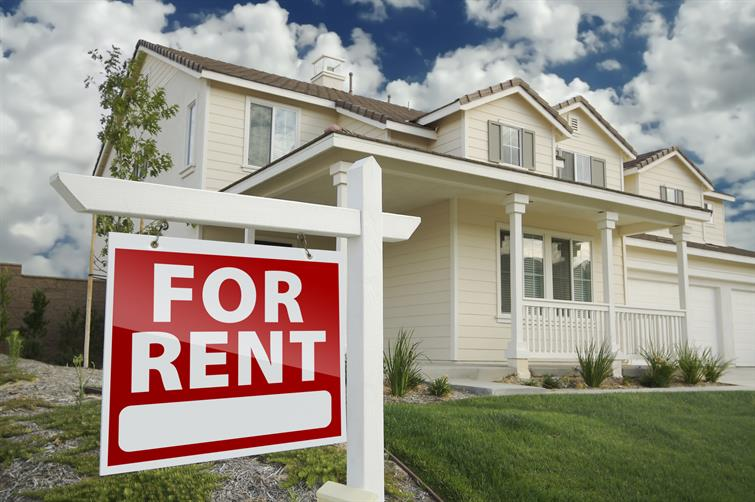
For many landlords, finding the right tenant can be one of the most challenging parts of managing a rental property.
The process often involves advertising the property, reviewing applications, conducting interviews, and screening prospective tenants before finding someone who is a good fit. Once a qualified tenant has been selected, the next important step is preparing and signing the lease agreement.
A lease agreement serves as the foundation of the landlord-tenant relationship. It outlines the rights, responsibilities, and expectations of both parties throughout the rental period. Using a well-structured lease agreement template can help ensure that all essential terms are clearly documented and legally enforceable.
Because the lease signing process can seem complex, understanding each stage is essential. This guide explains the complete lease agreement writing and signing process, from preparing for the lease to including the most important terms and conditions.
So, let’s begin by looking at what a lease agreement is and why it matters.
What Does the Lease Agreement Do?
A lease agreement is a legally binding contract between a landlord and a tenant. It is signed before the tenant moves into the property and establishes the rules and responsibilities that apply during the tenancy.
The lease agreement governs many aspects of the rental arrangement. It typically identifies the parties involved, specifies the rental property, outlines the rent amount, explains payment procedures, and details security deposit requirements. It may also address maintenance responsibilities, property use restrictions, occupancy limits, and procedures for resolving disputes.
Because the lease agreement serves as the primary legal document for the rental relationship, it is important that it is thorough, accurate, and compliant with applicable laws.
Before creating the lease agreement, however, there are several important steps landlords should take to prepare for a successful tenancy.
Steps Before Signing the Lease Agreement
Before drafting and signing a lease agreement, landlords should complete several important tasks. These preparations can help reduce misunderstandings, protect the property, and establish a positive relationship with the tenant from the start.
Decide on the Kind of Lease
One of the first decisions a landlord must make is determining the type of lease arrangement that best fits the rental situation.
Although verbal agreements may create certain legal obligations in some circumstances, relying on verbal arrangements can create significant risks. Without written documentation, it can be difficult to prove the agreed-upon terms if disputes arise.
A written lease agreement provides clear documentation of the rights and responsibilities of both parties. It offers greater legal protection and helps ensure that important terms such as rent payments, occupancy requirements, and lease duration are clearly understood.
Whether the tenant is a family member, friend, or stranger, having a signed written agreement is one of the best ways to protect everyone involved.
Thoroughly Screen the Tenant
Tenant screening is one of the most important steps before signing a lease agreement.
A comprehensive screening process can help landlords evaluate a prospective tenant’s financial stability, rental history, and overall suitability for the property. Reviewing credit information, employment verification, rental references, and eviction history can provide valuable insights into whether the applicant is likely to meet their obligations.
Failing to conduct proper screening may result in costly issues later, including missed rent payments, property damage, lease violations, or legal disputes.
By thoroughly evaluating applicants before approving them, landlords can significantly reduce risk and improve the chances of a successful tenancy.
Have the Property Prepared
Before the lease agreement is signed, the rental property should be fully prepared for occupancy.
Any necessary maintenance, repairs, safety inspections, or cosmetic improvements should be completed before prospective tenants tour the property or move in. Presenting a clean, safe, and well-maintained rental unit helps create a positive first impression and demonstrates professionalism.
When tenants see that a property has been properly maintained, they are often more confident about signing the lease and caring for the property throughout their tenancy.
Once these preparations are complete, the focus can shift to drafting the lease agreement itself.
What to Include in a Lease
A lease agreement often contains several pages of important information covering all aspects of the rental arrangement.
The exact contents may vary depending on local regulations and the specific property, but certain provisions should be included in nearly every lease agreement. Ensuring that these details are clearly written can help prevent misunderstandings and protect both landlords and tenants.
Names of Tenants and Occupants
Every adult occupant who will reside in the property should be identified in the lease agreement and sign the document.
Including all adult occupants helps ensure that each individual is legally responsible for complying with the lease terms. This includes obligations related to rent payments, property care, and adherence to community rules.
The agreement should also specify who is authorized to live in the property and outline any restrictions regarding long-term guests or additional occupants.
Property Details
The lease agreement should contain a detailed description of the rental property.
This information typically includes the complete property address, unit number, building identification, assigned parking spaces, storage areas, and any additional amenities available to the tenant.
Providing a clear description of the property helps eliminate confusion and ensures both parties understand exactly what is included in the rental arrangement.
Term Length / Rental Price
The lease term and rental payment information are among the most important sections of any lease agreement.
The agreement should clearly state whether the tenancy is fixed-term or month-to-month and identify the start and end dates when applicable. It should also explain renewal procedures and termination requirements.
In addition to the monthly rent amount, the lease should detail payment due dates, accepted payment methods, late payment fees, grace periods, and any additional charges. Security deposit requirements and conditions for deposit returns should also be clearly documented.
Providing complete financial details helps establish clear expectations and reduces the likelihood of disputes.
Maintenance Requests
The lease agreement should explain how tenants can report maintenance concerns and request repairs.
Tenants should understand their responsibility to promptly notify the landlord of any dangerous conditions, maintenance issues, or property damage. The agreement should also clarify the tenant’s obligation to maintain a clean and sanitary living environment.
Clearly outlining maintenance responsibilities helps preserve the property’s condition and ensures that issues are addressed before they become more serious.
Any Other Rules or Policies
Every rental property may have unique rules and policies that should be included in the lease agreement.
These may address topics such as smoking restrictions, pet policies, noise requirements, parking regulations, property alterations, and the use of common areas. The agreement should also explain the consequences of violating these rules.
Clearly communicating expectations helps create a positive rental experience and promotes compliance throughout the lease term.
Contact Information
The lease agreement should include accurate contact information for both the landlord and the tenant.
Providing reliable communication methods allows important notices, maintenance updates, and legal correspondence to be delivered efficiently. While phone calls, text messages, and emails may be convenient for everyday communication, written documentation is often essential for legal purposes.
Keeping contact information current can help prevent misunderstandings and ensure timely communication when issues arise.
Conclusion
After finding a qualified tenant, preparing the property, and creating a comprehensive lease agreement, the final step is signing the document.
A well-written lease agreement establishes clear expectations, protects the interests of both parties, and helps create a successful landlord-tenant relationship. Taking the time to carefully draft and review the agreement before signing can prevent many common rental disputes and provide a strong foundation for the entire tenancy.
With the lease agreement signed and all terms clearly understood, both landlord and tenant can move forward with confidence.